
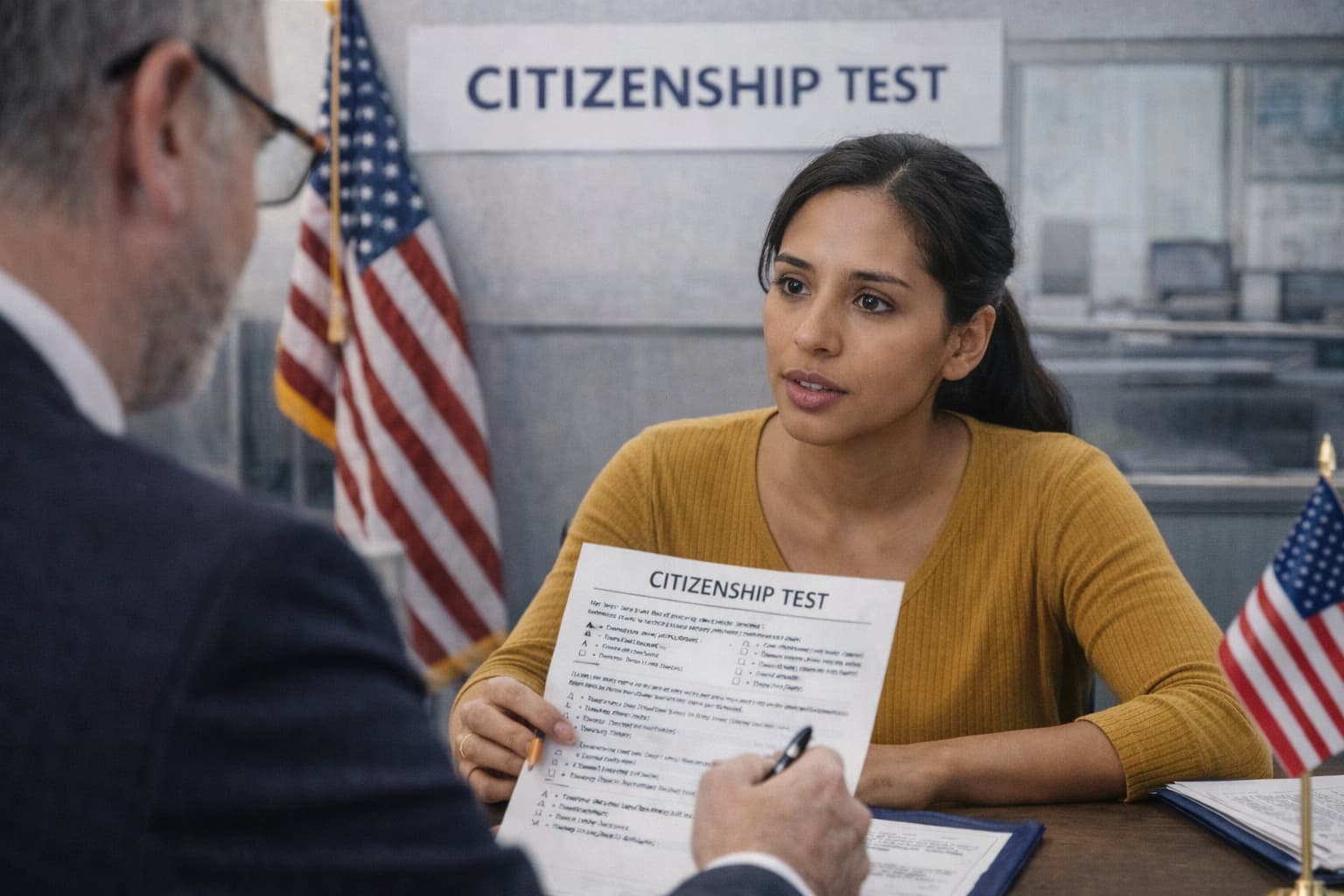
Everything You Need to Know About the New Citizenship Test (2025 Changes)
Changes effective October 20, 2025
Becoming a U.S. citizen is a proud milestone, and a big step in many immigrants’ journeys. A key part of that process is the naturalization test, which measures your understanding of U.S. history, government, and civic responsibilities. In late 2025, U.S. Citizenship and Immigration Services (USCIS) implemented significant changes to this test that applicants should know before filing their citizenship application.
What’s Changed in the Citizenship Test?
📌 1. Larger Question Pool
The new test draws from 128 possible civics questions, up from the previous 100. This means there’s more material to study.
📌 2. More Questions Asked During the Interview
During your naturalization interview, the USCIS officer will now ask 20 civics questions.
📌 3. Higher Passing Score
To pass, you must correctly answer at least 12 out of 20 questions. Under the older 2008 test (still in place for some applications filed early), applicants needed just 6 out of 10 correct answers.
📌 4. Who Takes the New Test
These changes apply to applicants whose Form N-400 (naturalization application) is filed on or after October 20, 2025. Those who apply before that date will still take the older (simpler) test.
📌 5. The Test Is Still Oral
Like the older version, the civics exam is given orally by a USCIS officer, not written, though you will need to demonstrate comprehension of the questions asked.
Why Did USCIS Change the Test?
USCIS has said the new test is designed to better assess applicants’ knowledge of U.S. history, government, and civic principles and to ensure a consistent standard across the country. They describe these changes as part of a broader effort to “restore integrity” to the naturalization process.
However, some immigrant advocates and community organizations have expressed concern that the expanded question pool and higher passing requirements could make the test more challenging, especially for applicants with limited English skills or less access to study resources.
What the Citizenship Test Includes
The citizenship test has two major parts:
🗣 English Language Portion
Before the civics questions, a USCIS officer assesses your ability to read, write, and speak English at a basic level. This includes:
- Reading a sentence correctly
- Writing a sentence correctly
- Speaking naturally during your interview
📜 Civics Portion
The civics section tests your knowledge of U.S. government, history, and key principles. The updated version includes questions like:
- “What is one reason the U.S. fought in World War II?”
- “Name two rights in the First Amendment.”
- “What are the branches of the U.S. government?”
While official study materials are available from USCIS, the context and depth of questions in 2025 reflect a broader range of topics than before.
Exceptions & Special Rules
✔️ Senior Applicants (65/20 Rule):
Applicants who are 65 or older and have been lawful permanent residents for at least 20 years may qualify for a simplified version of the civics test. This version uses a smaller set of questions chosen specifically for this group, helping reduce the challenge of the standard test.
✔️ Disability Accommodations:
If you have a qualifying disability, you may be eligible for accommodations or exemptions. USCIS provides guidelines on how to request these exceptions.
Practical Tips for Aspiring U.S. Citizens
Here are tips to make your preparation and test experience smoother:
📚 1. Start Studying Early
Don’t wait until your interview notice arrives, begin studying the civics questions as soon as you file your Form N-400.
🔎 Resources:
- Official USCIS civics questions and answers
- Practice quizzes and flashcards
- Citizenship classes in your community
🗣 2. Focus on Understanding, Not Memorization
Because the new test covers deeper concepts of U.S. history and government, aim to understand the meaning behind the answers rather than just memorizing facts.
👨👩👧 3. Practice English Skills Daily
The English portion is still required unless you qualify for a waiver, so incorporate reading, writing, and conversation practice into your routine.
✍️ 4. Use Official USCIS Materials
USCIS provides free study guides and resources, use those first so you’re learning exactly what may appear on the test.
🗓 5. Consider Timing Your Application
If you are already eligible and close to applying, discuss with your attorney whether submitting before October 20, 2025(when the new test took effect) could put you on the older, easier version of the test.
📋 6. Prepare for Your Interview
Understand that the interview isn’t just about the civics test, USCIS will also review your entire Form N-400, check your documents, and ask questions about your background.
🧑⚖️ 7. Stay Calm and Confident
Thousands of applicants take this test every year. With preparation and practice, you can approach it with confidence and perform well.
In Summary
The new 2025 citizenship test represents one of the most significant changes in the naturalization process in years. With a larger question bank, more questions during the interview, and a higher passing standard, preparation has become more important than ever. But with the right resources, consistent study, and thoughtful practice, becoming a U.S. citizen remains a reachable and rewarding goal.

Gonzalez Legal P.C.
Latest Posts
 by Gonzalez Legal P.C.
¿Se Puede Viajar con Advance Parole? Riesgos que Todo Inmigrante Debería Conocer
Muchos inmigrantes con una solicitud pendiente de tarjeta de residencia se preguntan si pueden viajar fuera de Estados Unidos sin poner en peligro su caso....
by Gonzalez Legal P.C.Can You Travel With Advance Parole? Risks Every Immigrant Should Know
Many immigrants with a pending green card application wonder whether they can travel outside the United States without jeopardizing their case. In many...